


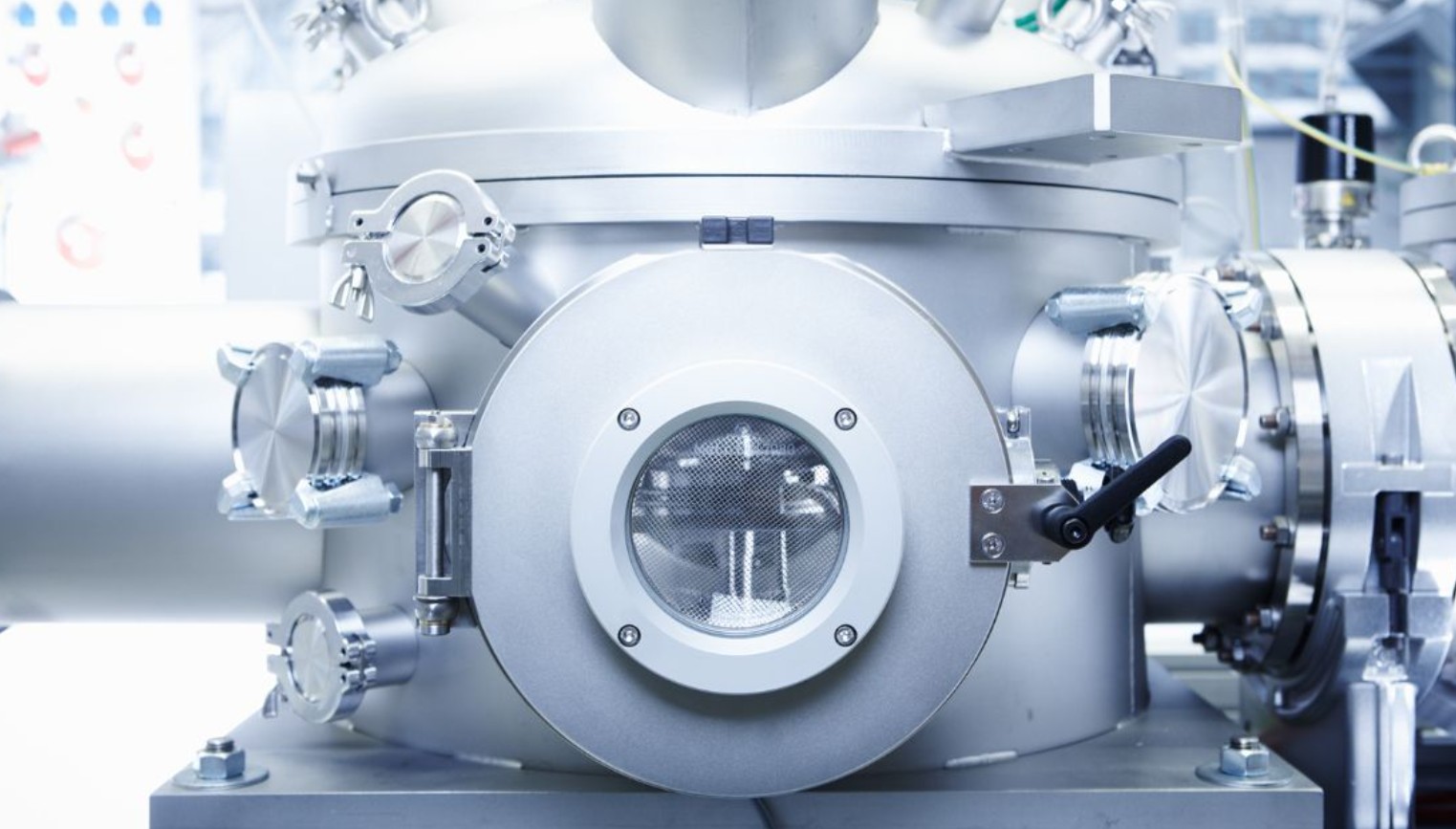
Vacuum technology refers to the methods and equipment used to create and maintain a vacuum, or space with lower pressure than the surrounding atmosphere. It’s an essential field of research and development with a broad range of applications across various industries, from electronics to medical devices. Recent advancements in vacuum technology have led to innovations that are revolutionizing industries, improving efficiency, and opening up new possibilities.
At its core, vacuum technology involves creating controlled environments where gases are evacuated from a chamber to create a vacuum, or near-vacuum, state. These systems are widely used in research and manufacturing, particularly in fields like semiconductor production, space exploration, and even healthcare. But what are the latest developments in vacuum technology? Let’s dive into the news and breakthroughs shaping this exciting field.
Recent Innovations in Vacuum Technology
Recent developments in vacuum technology have made significant strides, particularly in the realm of nanotechnology, environmental sustainability, and materials science.
- Miniaturization of Vacuum Systems
Miniaturization has been a central trend in vacuum technology. As the demand for smaller, more efficient devices grows, vacuum systems have become more compact without compromising on their performance. New micro-electromechanical systems (MEMS) are being developed, which integrate vacuum technologies into smaller, portable formats. These systems are used in medical devices, mobile electronics, and scientific instruments, offering precise control and more applications in fields that demand miniaturization. - Vacuum Pumps with Improved Efficiency
One of the most notable breakthroughs has been in the development of dry vacuum pumps, which eliminate the need for oils and other lubricants that can contaminate sensitive environments. These pumps are more energy-efficient, produce less maintenance, and are environmentally friendly. As industries become more conscious of their environmental impact, this development has the potential to make a significant difference in reducing the carbon footprint of industrial processes that rely on vacuum systems.
In addition, magnetically levitated pumps are gaining traction for their reduced wear and tear, leading to longer lifespans and fewer breakdowns. These pumps, which operate without physical contact between moving parts, are particularly valuable in semiconductor and research applications.
Applications of Vacuum Technology in Modern Industries
Vacuum technology’s versatility allows it to play a crucial role across multiple industries. Here are just a few key areas where its impact is being felt:
- Semiconductor Manufacturing
In the semiconductor industry, vacuum chambers are essential for processes like thin-film deposition and etching. The ability to precisely control the vacuum environment is critical for ensuring the reliability and performance of microchips, which power everything from smartphones to artificial intelligence systems. Recent innovations in vacuum technology have led to faster and more cost-effective methods for producing high-quality semiconductors, keeping pace with the ever-growing demand for electronic devices. - Medical and Healthcare
In healthcare, vacuum technology is used in a variety of applications, including sterilization. Vacuum-assisted wound therapy, and drug delivery systems. Vacuum-based sterilizers are indispensable in ensuring medical equipment is free of contaminants. The vacuum-assisted closure (VAC) therapy, which is used for wound healing, helps speed up recovery by removing excess fluid and promoting blood flow to the affected area.
Additionally, vacuum systems are employed in vacuum pumps for dialysis machines. Creating an efficient and controlled environment for treating patients with kidney failure.
The Future of Vacuum Technology
As industries continue to evolve, so too will the role of vacuum technology. The future promises further advancements driven by artificial intelligence (AI), automation, and sustainable solutions.
- AI Integration for Smart Vacuum Systems
AI is expected to revolutionize vacuum technology by making systems smarter, more efficient, and capable of predictive maintenance. For example, AI-powered vacuum systems could automatically adjust to optimal operating conditions, improving energy consumption and efficiency while reducing the need for human intervention. These smart systems will be particularly beneficial in industries like cleanrooms, where precise conditions are crucial for successful operations. - Sustainability and Green Vacuum Solutions
Vacuum technology’s future also lies in sustainability. There is an increasing demand for green solutions across industries, and vacuum systems are no exception. Innovations like energy-efficient vacuum pumps, the reduction of hazardous waste in vacuum processes, and the use of recyclable materials in vacuum systems will continue to reduce the environmental impact of industrial operations. Expect to see an increase in sustainable manufacturing practices that leverage vacuum technology in eco-friendly ways.
Conclusion
In conclusion, vacuum technology has seen remarkable progress in recent years, particularly in the fields of miniaturization, efficiency, and sustainability. As industries such as semiconductor manufacturing, healthcare, and research continue to demand higher levels of precision, vacuum systems will only become more advanced. With AI, automation, and green technologies shaping the future. Vacuum technology is poised for even more groundbreaking developments that will transform industries and improve the quality of life.
FAQs
1. What is vacuum technology used for?
Vacuum technology is used in various industries, including semiconductor manufacturing, medical equipment sterilization, cleanroom environments, and in scientific research.
2. What are the different types of vacuum pumps?
Common types of vacuum pumps include rotary vane pumps, diaphragm pumps, and turbo pumps. Each used for different applications depending on the required pressure levels and environmental conditions.
3. How does vacuum technology impact the semiconductor industry?
In semiconductor manufacturing, vacuum chambers are used for deposition and etching processes. Ensuring that microchips are produced with high precision and quality.
4. What are the environmental benefits of modern vacuum pumps?
Modern vacuum pumps, especially dry pumps, are more energy-efficient, have a lower carbon footprint, and eliminate the need for lubricants that could contaminate sensitive environments.