


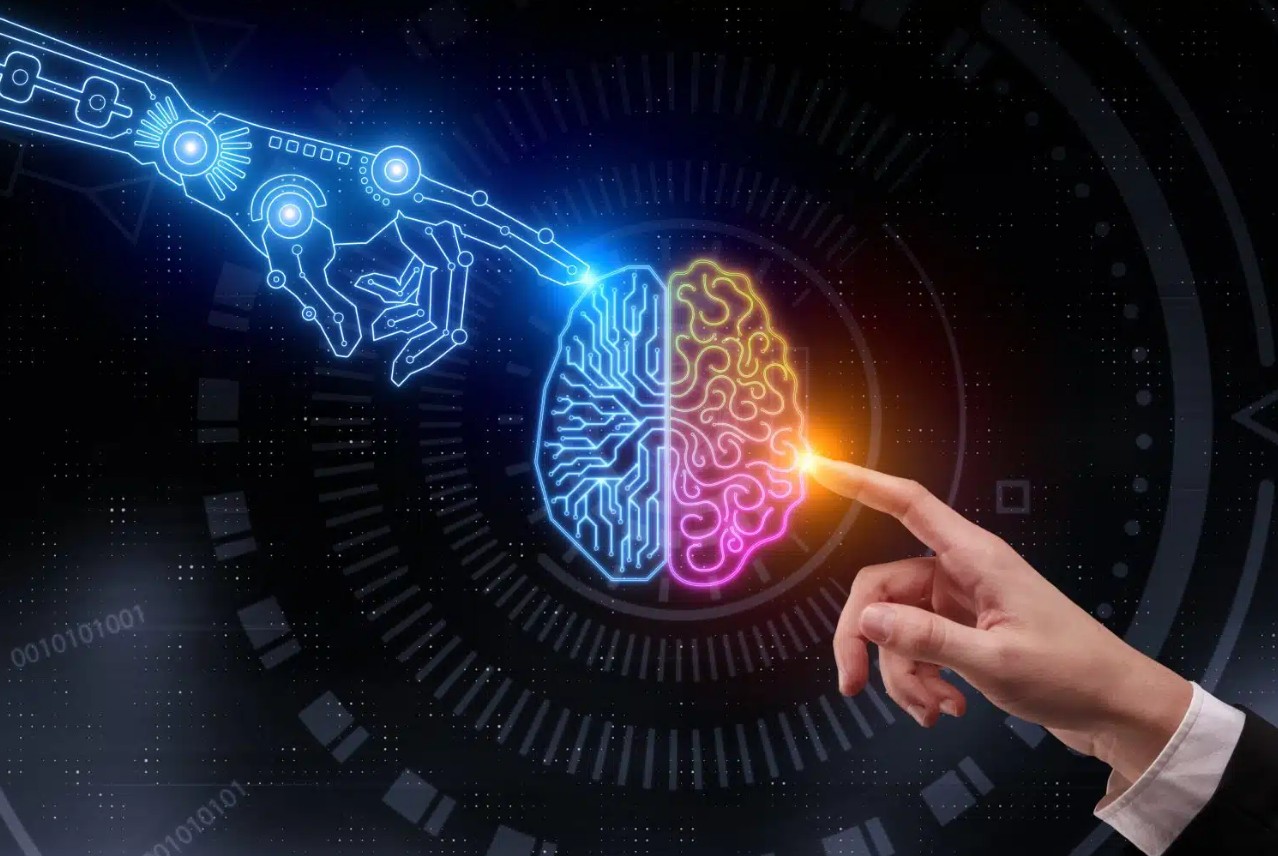
Technology is no longer a background force quietly humming in server rooms. It sits at the breakfast table, rides in our pockets, guides surgical instruments, and quietly powers decisions that affect millions of lives. Yet for all its ubiquity, “technology” remains one of the most misunderstood and underexplored concepts of our time.
At its core, technology refers to the application of scientific knowledge to solve practical human problems — from the first stone tool chipped into shape 3.3 million years ago to the generative AI systems drafting articles, analyzing medical scans, and writing software code today. What has changed is the pace, reach, and complexity of that application.
This article offers a grounded, authoritative look at what technology is, where it stands in 2025, how it is transforming industries, and what individuals, businesses, and policymakers need to understand to navigate it well.
What Is Technology? A Clear Definition
The word comes from the Greek technologia — techne (craft or skill) combined with logia (the study of). Broadly, technology encompasses tools, systems, methods, and processes that extend human capability. It includes:
- Hardware: physical devices such as smartphones, semiconductors, satellites, and medical equipment.
- Software: programs, operating systems, algorithms, and applications.
- Networks: the internet, 5G, fiber-optic infrastructure, and cloud computing platforms.
- Emerging technologies: artificial intelligence (AI), biotechnology, quantum computing, and extended reality (XR).
The distinction matters because “technology” is often conflated exclusively with digital gadgets or Silicon Valley startups. In reality, a hybrid seed engineered to resist drought is technology. So is a water purification tablet, a high-efficiency solar panel, or a new surgical suture technique.
The State of Technology in 2025
We are living through what many researchers call the Fourth Industrial Revolution — a convergence of physical, digital, and biological systems that is unlike anything humanity has experienced before. Several developments define the current technological landscape:
1. Artificial Intelligence Goes Mainstream
AI has moved from research labs into everyday products. Large language models (LLMs) now assist with writing, coding, customer service, legal research, and medical diagnosis. According to McKinsey’s 2024 Global Survey on AI, roughly 65% of organizations were using generative AI in at least one business function — nearly double the figure from the previous year.
AI’s impact is not limited to white-collar work. Computer vision systems inspect manufacturing lines for defects. Predictive algorithms manage supply chains. AI-assisted pathology tools help radiologists detect cancers earlier than human eyes alone can.
The important caveat: AI amplifies human judgment — it does not replace it. The most effective deployments pair machine speed with human oversight, ethical review, and contextual understanding.
2. Semiconductor Technology Reaches New Limits
The microchip is the bedrock of modern technology. In 2025, leading chip manufacturers are producing processors with transistors measured in angstroms — smaller than individual atoms were once thought to be. This push is enabling faster, more energy-efficient devices across every sector, from consumer electronics to national defense.
The global semiconductor industry is also a geopolitical flashpoint, as nations compete for supply chain independence in what many analysts describe as the defining industrial contest of the 21st century.
3. Renewable Energy Technology Scales Rapidly
Solar panel costs have fallen more than 90% over the past decade, and battery storage technology has followed a similar trajectory. Wind turbines now stand taller than skyscrapers, and offshore floating platforms are unlocking vast new energy reserves. Technology is central to climate action — not as a silver bullet, but as an accelerant for systemic change.
4. Biotechnology and Health Tech Converge
CRISPR gene-editing tools, mRNA vaccine platforms, wearable biosensors, and robotic surgery systems represent a new frontier where biology meets engineering. The COVID-19 pandemic demonstrated — often painfully — how rapidly health technology can mobilize when the stakes demand it. The lesson has spurred record investment in digital health, genomics, and pandemic preparedness platforms.
How Technology Is Transforming Key Industries
Education
Digital learning platforms, adaptive tutoring systems, and AI-powered feedback tools are personalizing education at scale. Students in rural Pakistan and suburban Canada can access the same MIT lecture. The challenge is not access to information — it is cultivating critical thinking, digital literacy, and the human skills that technology cannot replicate.
Healthcare
Electronic health records, telemedicine, AI-assisted diagnostics, and robotic surgery are improving outcomes and expanding access. Remote patient monitoring devices now allow cardiologists to track a patient’s heart rhythm from a thousand miles away. The World Health Organization estimates that digital health technologies could save up to 10 million lives annually by 2030 if deployed equitably.
Agriculture
Precision agriculture technologies — GPS-guided machinery, drone monitoring, soil sensors, and AI crop management platforms — are helping farmers produce more food with fewer inputs. This matters enormously: the global population is projected to reach 9.7 billion by 2050, and food systems will need to be fundamentally transformed to meet that demand sustainably.
Finance
Fintech has democratized access to financial services for billions of unbanked individuals. Mobile payment systems, blockchain-based ledgers, algorithmic trading, and AI-powered fraud detection are reshaping how money moves around the world. The challenge ahead is balancing innovation with regulation, privacy, and systemic risk management.
The Human Side of Technology: Benefits and Risks
The Genuine Benefits
- Productivity gains: Automation of repetitive tasks frees human effort for creative, strategic, and interpersonal work.
- Improved health outcomes: Earlier diagnosis, better treatment, and broader access to care.
- Global connectivity: Technology has compressed distance, enabling collaboration, commerce, and cultural exchange at unprecedented scale.
- Access to information: The sum of human knowledge is more accessible today than at any point in history.
The Real Risks
Acknowledging technology’s benefits does not require ignoring its dangers. Some of the most significant risks include:
Digital inequality: Access to technology remains deeply uneven across income levels, geographies, and generations. The “digital divide” is not merely a matter of internet speed — it reflects broader inequalities in education, infrastructure, and economic opportunity.
Misinformation and manipulation: Social media algorithms optimized for engagement have proven fertile ground for conspiracy theories, political polarization, and coordinated disinformation campaigns. Technology platforms have struggled to balance free expression with the prevention of demonstrable harm.
Privacy erosion: Surveillance capitalism — the business model of harvesting user data to sell targeted advertising — has normalized a level of behavioral monitoring that would have seemed dystopian two decades ago.
Job displacement: Automation is already displacing workers in manufacturing, logistics, and administrative roles. The pace of change is outstripping many workers’ ability to reskill, and social safety nets were not designed for this kind of economic disruption.
Cybersecurity threats: As critical infrastructure becomes more connected, the attack surface for malicious actors grows. Ransomware attacks on hospitals, utilities, and government systems represent an evolving national security challenge.
Navigating Technology Responsibly: What You Can Do
Technology is not destiny. It is a set of tools, and like all tools, what matters is who wields them, how, and toward what ends. A few principles are worth holding:
Develop digital literacy. Understanding how algorithms work, where data goes, and how platforms monetize attention makes you a more informed participant in the digital economy. Digital literacy is now a foundational skill, as important as reading or arithmetic.
Ask “who benefits?” Every technology embeds the assumptions, values, and incentives of those who built it. Asking who benefits — and who might be harmed — is not technophobia; it is responsible citizenship.
Support thoughtful regulation. Technology companies have operated with minimal regulatory oversight for most of the internet era. The tide is turning. Effective regulation does not stifle innovation; it channels it toward outcomes that are safer and more equitable.
Embrace continuous learning. The half-life of technical skills is shrinking. Staying relevant in a technology-shaped economy requires a genuine commitment to lifelong learning — not occasional upskilling, but a sustained, curious engagement with how the world is changing.
The Future of Technology: What to Watch
Several emerging technologies warrant close attention over the next decade:
- Quantum computing: Machines that exploit quantum mechanical properties to solve problems classical computers cannot. Practical applications in drug discovery, logistics optimization, and cryptography are closer than many realize.
- Brain-computer interfaces: Direct communication pathways between the human brain and digital systems, with early clinical applications already underway.
- Autonomous systems: Self-driving vehicles, delivery drones, and robotic workers will reshape logistics, transportation, and urban design.
- Sustainable technology: The intersection of environmental science and engineering — from carbon capture to biodegradable electronics — is one of the most consequential technology frontiers of the coming decades.
Conclusion: Technology Is a Human Story
Strip away the jargon, the valuations, and the hype cycles, and technology remains what it has always been: humanity’s ongoing attempt to solve problems, reduce suffering, and expand what is possible. The tools have grown enormously more powerful, and the stakes have grown with them.
Understanding technology — its mechanics, its history, its trade-offs, and its potential — is no longer optional for informed citizens, thoughtful professionals, or responsible leaders. It is one of the defining literacies of our time.
The question is not whether technology will shape the future. It already is. The question is whether we will shape it back — with enough wisdom, equity, and foresight to ensure the future it builds is one worth living in.